
8 min read
Jul 17, 2026
Convenience has always been one of the biggest reasons people choose to shop online. Customers no longer compare brands based only on price or product quality—they also compare how easy it is to browse, choose, and complete a purchase. When an online store removes unnecessary steps, reduces decision fatigue, and helps shoppers find everything they need in one place, it creates a buying experience that feels effortless.
A method that always adds convenience is product bundling. This involves bundling complementary products into one package so that merchants can offer shoppers convenience and remove any hassle from their purchasing journey. What results is enhanced convenience for the online shopper, reduces choice overload and better online shopping experience which in turn increases average order sizes and repeat purchases. For Shopify merchants seeking improved conversions, adding the convenience-first bundling strategy is no longer an optional extra but has become an absolute necessity for their eCommerce business.
Key Takeaways
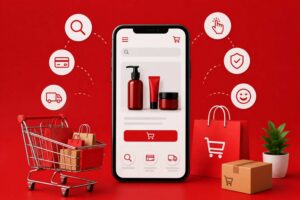
Shopping online promises one thing above everything else—convenience. Customers expect to find products quickly, compare options easily, and complete purchases with minimal effort. If any part of that process becomes confusing or time-consuming, they often abandon their carts and look elsewhere.
However, convenience is not only about quick delivery and responsive web designs. Convenience is the sum of all the interactions customers will have with the store, starting from their product discovery until checkout.
The main aspects of a convenient shopping experience would include:
All of these contribute to online shopping convenience while influencing purchase decisions in subtle but powerful ways. Businesses that prioritize convenience often see stronger ecommerce performance because customers are more likely to complete purchases when the buying process feels simple.

Today’s online shoppers have endless choices. If one store creates friction, customers can switch to another in seconds. That makes convenience one of the biggest competitive advantages in modern eCommerce. Consumers have also become increasingly impatient. They expect websites to understand what they need without requiring multiple searches or excessive browsing.
This shift in consumer buying behavior means online stores must reduce unnecessary effort wherever possible. Instead of asking shoppers to build their own purchase combinations, merchants can guide them toward complete solutions through thoughtful bundles. Convenience isn’t about selling more products—it’s about making better buying decisions easier.
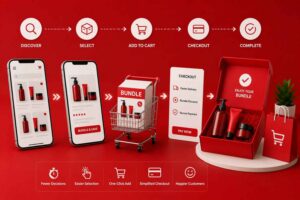
Too many choices can overwhelm customers. This phenomenon, often called choice overload, causes shoppers to hesitate because they aren’t sure which products belong together. Rather than making their consumers search for compatibility on their own, product bundling brings forward packages that are already relevant and fit well together.
For instance:
Customers spend less time comparing products and more time completing purchases.
One of the biggest frustrations in online shopping is jumping between multiple pages to find matching products. A well-planned product bundling strategy removes this problem. Everything customers need appears together on one product page, creating a smoother purchase journey.
Instead of opening multiple tabs or searching through different categories, shoppers can purchase an entire solution with just a few clicks. That convenience directly improves the online shopping experience.
Modern shoppers expect retailers to anticipate their needs.
Meeting these customer expectations builds trust because it shows the store understands how customers actually shop. Relevant related products feel helpful rather than promotional.
Every extra decision introduces friction. Those who have to study compatibility or search through several collections delay their purchases.
The bundles help customers simplify their purchase decision by removing the element of ambiguity from the process.
As opposed to:
“What else do I need?”
Customers get everything ready and presented to them.
Convenience isn’t measured by a single feature. It’s the result of dozens of small improvements working together. When bundles reduce searching, simplify comparisons, and eliminate unnecessary clicks, customers enjoy a much smoother online shopping experience. That positive experience often becomes the reason they return to the same store in the future.
Free shipping is one of the biggest motivations for making purchases online. Retailers typically have minimum purchase amounts that have to be met first. Bundle packages naturally assist in meeting this criterion. Think about a retailer who provides free shipping on orders above ₹3,000. A shopper willing to spend ₹2,500 would not do it.
However, when presented with a useful bundle containing complementary accessories, reaching the shipping threshold feels like getting more value instead of simply spending more.
This creates benefits for both merchants and shoppers.
Winning a customer’s first purchase is important. Making them return is even more valuable. Convenience plays a significant role in building loyalty because customers remember experiences that save them time.
Such stores that consistently deliver relevant bundles form shopping habits. Customers start trusting the recommendations due to simplifying their future shopping. For instance, a person who is buying skincare products now can buy the recommended refills after several months.
Relevant product recommendations gradually become part of the customer’s buying routine. Over time, this leads to more repeat customers, stronger customer lifetime value, and healthier long-term business growth. Convenience also supports a more personalized shopping experience. As merchants learn what customers buy together, they can present smarter bundles tailored to individual preferences rather than generic promotions. That personalization makes customers feel understood while making future purchases even easier.
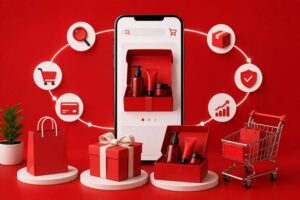
Not every bundle creates convenience. Poorly planned combinations can overwhelm shoppers just as much as having too many individual products.
For making the bundling strategy work effectively:
Whether you’re using product bundling Shopify apps or dedicated product bundling services, the goal should always be to reduce effort for the customer. Successful Shopify product bundles don’t just increase sales—they make shopping noticeably easier.

Convenience is difficult for competitors to copy because it’s built into every part of the customer experience. Though prices and merchandise might be equal among the competing businesses, the convenience offered by the shopping process ends up being the determining factor. A store where one can conveniently find his requirements, finish checkout hassle-free, and get only useful recommendations makes an impression on consumers.
Businesses that consistently remove friction build stronger customer relationships, improve e-commerce performance, and create shopping experiences people want to return to. In many cases, convenience becomes a brand differentiator just as important as pricing or product quality.
Convenience is no longer just a nice feature in eCommerce—it is one of the biggest drivers of modern purchase decisions. Customers expect online stores to make shopping simple, fast, and intuitive, and product bundling helps achieve exactly that.
Bundles help minimize choice paralysis, make the shopping experience easier for customers, show relevant items, and personalize their shopping experience. In addition, they can be used by merchants to enhance e-commerce performance, increasing AOV, and create more repeat customers. As far as Shopify merchants are concerned, convenience-based bundling is not only about selling more items but providing a convenient online shopping convenience.
What I love about SimpleBundle is the SEO impact. Each bundle has its own product page, which helps with marketing and driving organic traffic! This has opened up new opportunities for me to promote specific bundles and get them ranked on Google. The app is fast, flexible, and customer support is top-notch. My bundle sales have increased dramatically since I installed it.
Convenience reduces the effort required to shop online, making it easier for customers to browse, compare products, and complete purchases. This often leads to higher conversions and better customer satisfaction.
Product bundling make purchase decisions easier through combining related products which limits the need for buyers to look for suitable complementary products separately.
Yes. The relevant bundles will help consumers to buy several complementary products within a single purchase. It is through product bundles that companies can attain increasing AOV and deliver more value to consumers.
They limit the time taken to search for items, avoid choice overload, ease product selection, and make online shopping experience easy for consumers.
Most definitely. Properly designed Shopify product bundles coupled with relevant product recommendations will make the shopping process convenient and foster trust and satisfaction among consumers.
Your email address will not be published. Required fields are marked*